As more homeowners and buyers become environmentally conscious, the demand for eco-friendly homes continues to rise. Sustainable living is no longer just a trend—it's a lifestyle choice that impacts both the environment and the value of your property. Whether you're selling or buying, understanding the benefits of energy-efficient upgrades and green home features can help you stay ahead in today’s competitive real estate market.
1. Energy-Efficient Home Features
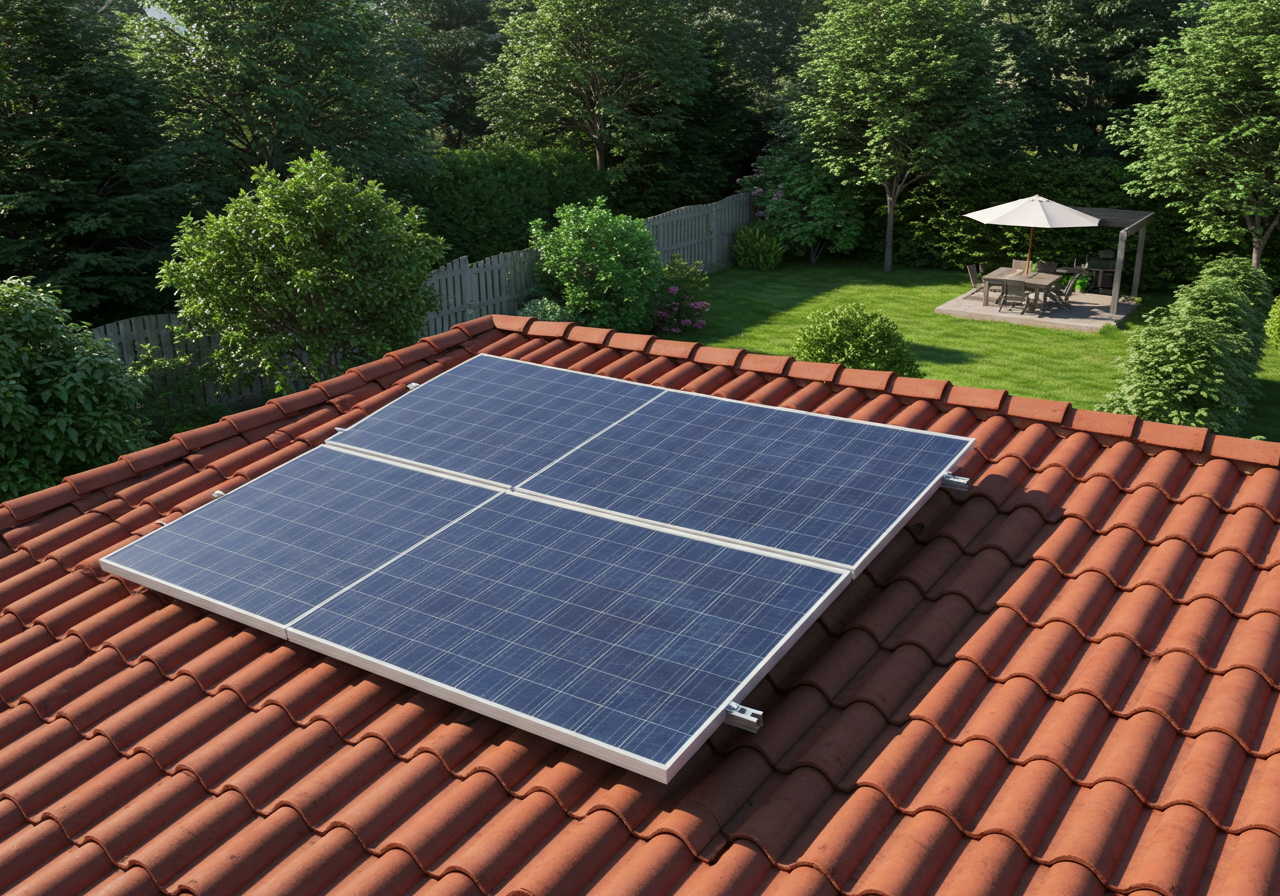
One of the most popular trends in eco-friendly real estate is the integration of energy-efficient technologies. These upgrades not only reduce the environmental impact but also lead to significant cost savings on energy bills. Some of the most sought-after features include:
- Solar panels: A renewable energy source that reduces dependency on fossil fuels and can dramatically lower monthly utility costs.
- Energy-efficient windows: Double- or triple-glazed windows help regulate indoor temperatures, decreasing the need for heating or air conditioning.
- LED lighting: These bulbs use significantly less energy than traditional lighting options and have a longer lifespan.
- Smart thermostats: Connected devices allow homeowners to optimize heating and cooling settings, further cutting energy consumption.
2. Eco-Friendly Materials

Incorporating sustainable materials into home construction and renovation can also make a significant impact. Buyers are increasingly seeking homes with:
- Reclaimed wood: Using recycled or salvaged wood reduces the demand for new lumber and contributes to waste reduction.
- Low-VOC paints: These eco-friendly paints emit fewer volatile organic compounds (VOCs), improving indoor air quality and reducing harmful environmental effects.
- Sustainable flooring: Bamboo, cork, and other natural materials provide a renewable alternative to traditional flooring options like hardwood.
3. Water Conservation and Landscaping
Water efficiency is another key element of sustainable home living. Features like low-flow faucets, dual-flush toilets, and rainwater collection systems are highly desirable for eco-conscious buyers. Additionally, sustainable landscaping practices, such as xeriscaping (designing with drought-resistant plants), can further reduce water usage while maintaining a beautiful outdoor space.
4. Green Certifications and Incentives
Many homes today boast certifications that reflect their environmental sustainability, such as LEED (Leadership in Energy and Environmental Design) or ENERGY STAR. These certifications increase a property’s value and can make a home more attractive to buyers looking for long-term savings and reduced environmental impact.
Furthermore, federal and state incentives for energy-efficient upgrades often include tax breaks and rebates, making it more financially feasible to invest in these improvements.
5. Sustainable Living Practices
Beyond home features, the way we live also plays a crucial role in sustainability. Encouraging practices like composting, recycling, and reducing single-use plastics can help homeowners minimize their carbon footprint. Many green-conscious communities also prioritize walkability, bike paths, and access to public transportation, contributing to an overall eco-friendly lifestyle.

Investing in sustainable home features and adopting green living practices isn’t just good for the environment—it’s smart for your wallet and the value of your property. As eco-conscious real estate options continue to grow, now is the time to consider energy-efficient upgrades and green certifications that will set your home apart in the market.